Japan is considering setting a medium-term defense spending target of 3.5% of its Gross Domestic Product (GDP) over the next decade, aligning itself with NATO and other U.S. allies. This move could rattle financial markets already concerned about the spending plans of Prime Minister Sanae Takaichi. According to a Bloomberg report citing informed sources, Japanese defense officials have already signaled a willingness to significantly boost defense spending during meetings with their U.S. counterparts. Japan’s Ministry of Defense has not yet responded to the matter, while the U.S. Pentagon declined to comment.
Sources indicated that one option under consideration is to raise defense spending to 3.5% of GDP over the next decade, mirroring South Korea’s level. However, some sources noted that the target could also be set lower, such as at 3%.
Like other U.S. allies, Tokyo is under pressure from President Donald Trump’s administration to improve its defense capabilities and reduce its reliance on U.S. troops. The city has already raised defense spending to nearly 2 percent of GDP two years ahead of schedule for the fiscal year that ended in March this year.
Until 2022, Japan’s defense spending will still have an informal cap of about 1% of GDP, demonstrating a dramatic shift in Tokyo’s thinking on defense policy. Japan is expected to announce a new five-year defense spending plan by the end of this year.
In fact, NATO aims to increase defense spending to 5% of GDP by 2035, with core defense spending reaching more than 3.5%. While Japan’s defense-related expenditures include broad “security-related funds” such as maritime security and infrastructure resilience strengthening, which is different from NATO’s estimate.
The city has pledged to pursue the philosophy of “responsible aggressive finance”, and investors who are cautious about huge debt raising may be uneasy once they make a commitment to spend 3.5% of GDP on defense.
The Japanese government’s borrowing costs have long remained high, with public bond yields hovering at nearly 30-year highs. The 10-year Treasury yield touched 3% earlier this month, the first since 1996. That yield was only about half of its current rate in the same period last year.
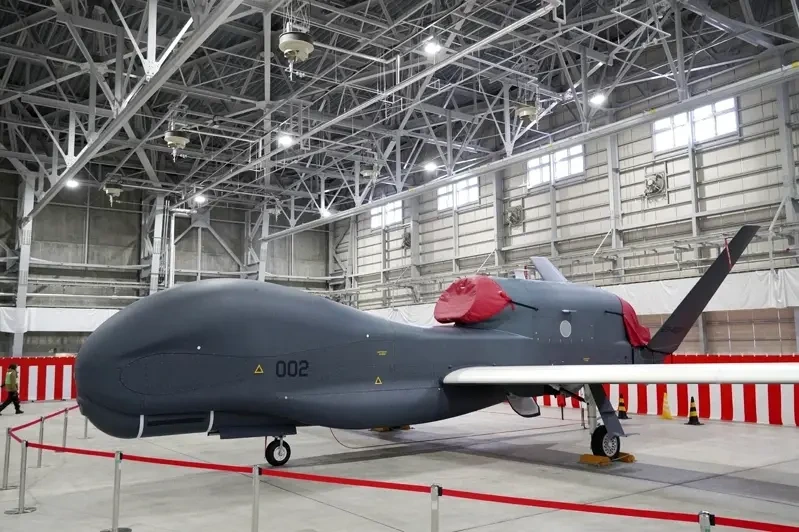
A Japanese Self-Defense Force RQ-4 Global Hawk large unmanned reconnaissance aircraft cut off communications over the sea off Tottori Prefecture at around 1 pm on Monday, according to Kyodo News and Asahi TV. The Air Self-Defense Force said the Global Hawk was presumed to have crashed.